

Todo lo que tienes cerca, en el mapa
Mira en el mapa los eventos y actividades más cercanos.
Ingresa tu número de teléfono para continuar
Ingresa el código enviado a tu teléfono
Ingresa el código de tu app de autenticación
Inicia sesión para crear tu enlace de invitación personal. Ganarás 15 EnjoyScore por cada amigo que se registre con tu enlace, y 2% EnjoyCredit por cada amigo que compre un boleto.
Selecciona un mensaje
o escribe tu propio mensaje
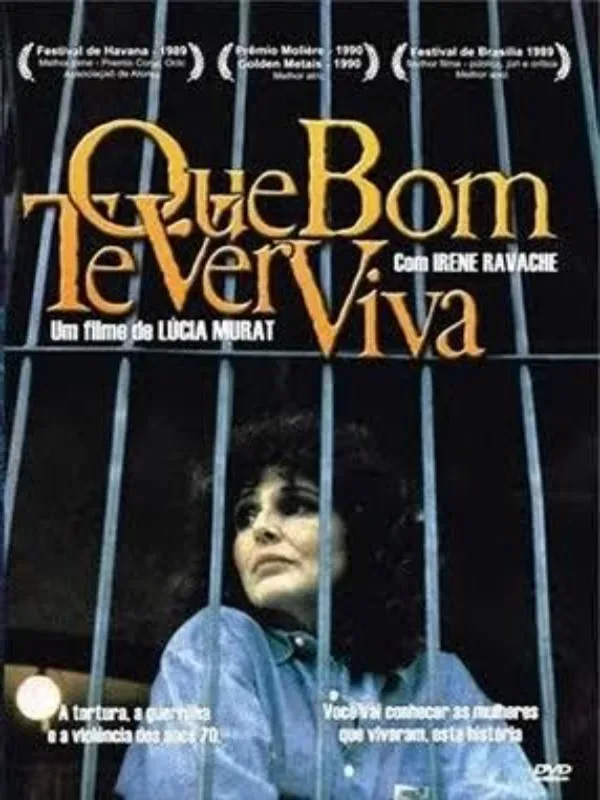
Yaşadığını Görmek Ne Güzel/Que Bom Te Ver Viva Film Gösterimi
Yönetmen Lúcia Murat
Oyuncular Irene Ravache
31 Mart 1964'te Brezilya'da bir askeri darbe hükümeti devirdi ve diktatörlük rejimini yerleştirdi. Ardından sivil haklar durduruldu, cezaevlerinde işkence ise sistemli bir uygulamaya dönüştü. Lucia Murat, sekiz kadın siyasi tutuklunun tanıklıklarını, oyuncu Irene Ravache'nin canlandırdığı, adı belirtilmeyen kurmaca bir kadın karakterin monologuyla birleştiriyor. Herkes işkence deneyimlerinden söz ediyor. Ravache'nin karakteri filmin başında "Nasıl hayatta kaldık?" diye soruyor. Kurmaca ile belgeselin bu olağanüstü karışımı; kişisel hafızanın, siyasi baskının ve hayatta kalma iradesinin kaydını tutuyor. Murat, röportaj veren kadınlar gibi o da tutuklandı ve işkence gördü. Bireysel acı ile travmayı daha geniş sosyo-politik alanla ilişkilendiriyor. "Yaşadığını Görmek Ne Güzel", baskının tarihini berraklaştırıyor; hayatta kalanlara dayatılan sessizliği ve kolektif unutma isteğini parçalıyor.
Sinopsis (ENG):
On March 31, 1964, a military coup overthrew the Brazilian government and established a dictatorial regime. Civil rights were suspended and torture became a systematic practice in prisons. Lucia Murat interlaces the testimonies of eight female political prisoners with a monologue voiced by an anonymous fictional female character, played by actress Irene Ravache. They all allude to the experience of torture. Ravache's character asks "How did we survive?" in the beginning of the film. This extraordinary hybrid of fiction and documentary records personal memory, political repression and the will to survive. Murat, like the interviewees, was herself tortured and imprisoned. She establishes connections between individual suffering and trauma, and the wider socio-political realm. How Nice to See You Alive crystallizes a history of repression, shatters the silence imposed on the survivors and the collective will to forget.
Cookies
No se usa nada más que las cookies estrictamente necesarias hasta que lo autorices. Acepta todo, recházalo todo o elige categoría por categoría, y cambia de opinión cuando quieras. Política de cookies · Política de privacidad
Preferencias de cookies
Tu navegador envía una señal de Global Privacy Control (GPC). La hemos tomado como un rechazo; si activas algo aquí, se aplica tu elección.