

Everything around you, on a map
See the events and activities nearest to you on the map.
Enter your phone number to continue
Enter the code sent to your phone
Enter the code from your authenticator app
Log in to create your personal share link. You'll earn 15 EnjoyScore for every friend who signs up through your link, and 2% EnjoyCredit for every friend who buys a ticket.
Select a message
or write your own message
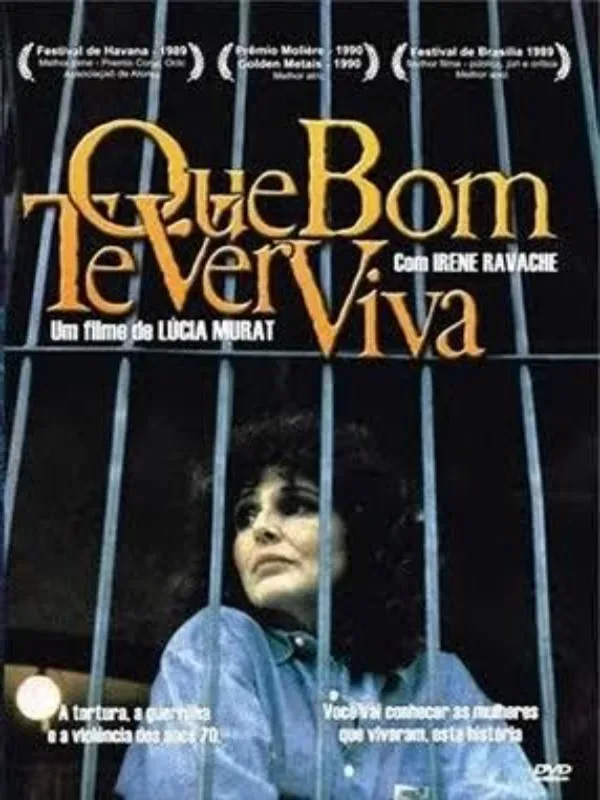
Yaşadığını Görmek Ne Güzel/Que Bom Te Ver Viva Film Gösterimi
Yönetmen Lúcia Murat
Oyuncular Irene Ravache
31 Mart 1964'te Brezilya'da bir askeri darbe hükümeti devirdi ve diktatörlük rejimini yerleştirdi. Ardından sivil haklar durduruldu, cezaevlerinde işkence ise sistemli bir uygulamaya dönüştü. Lucia Murat, sekiz kadın siyasi tutuklunun tanıklıklarını, oyuncu Irene Ravache'nin canlandırdığı, adı belirtilmeyen kurmaca bir kadın karakterin monologuyla birleştiriyor. Herkes işkence deneyimlerinden söz ediyor. Ravache'nin karakteri filmin başında "Nasıl hayatta kaldık?" diye soruyor. Kurmaca ile belgeselin bu olağanüstü karışımı; kişisel hafızanın, siyasi baskının ve hayatta kalma iradesinin kaydını tutuyor. Murat, röportaj veren kadınlar gibi o da tutuklandı ve işkence gördü. Bireysel acı ile travmayı daha geniş sosyo-politik alanla ilişkilendiriyor. "Yaşadığını Görmek Ne Güzel", baskının tarihini berraklaştırıyor; hayatta kalanlara dayatılan sessizliği ve kolektif unutma isteğini parçalıyor.
Sinopsis (ENG):
On March 31, 1964, a military coup overthrew the Brazilian government and established a dictatorial regime. Civil rights were suspended and torture became a systematic practice in prisons. Lucia Murat interlaces the testimonies of eight female political prisoners with a monologue voiced by an anonymous fictional female character, played by actress Irene Ravache. They all allude to the experience of torture. Ravache's character asks "How did we survive?" in the beginning of the film. This extraordinary hybrid of fiction and documentary records personal memory, political repression and the will to survive. Murat, like the interviewees, was herself tortured and imprisoned. She establishes connections between individual suffering and trauma, and the wider socio-political realm. How Nice to See You Alive crystallizes a history of repression, shatters the silence imposed on the survivors and the collective will to forget.
Cookies
Nothing but strictly necessary cookies is used until you allow it. Accept all, reject all, or choose category by category — and change your mind whenever you like. Cookie Policy · Privacy Policy
Cookie preferences
Your browser is sending a Global Privacy Control (GPC) signal. We have taken it as a refusal; if you switch something on here, your choice applies instead.